





The Springs of the Clitunno
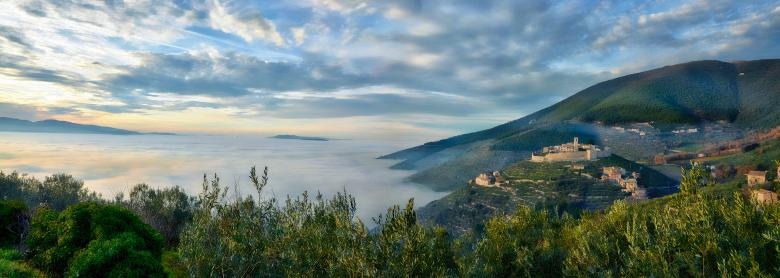
The Clitunno River flows through the Umbrian valley between Spoleto and Foligno, running for over 60 kilometers before reaching the Tiber. For centuries, travelers, artists, and poets have celebrated the clarity of its waters and the harmonious landscape surrounding it.
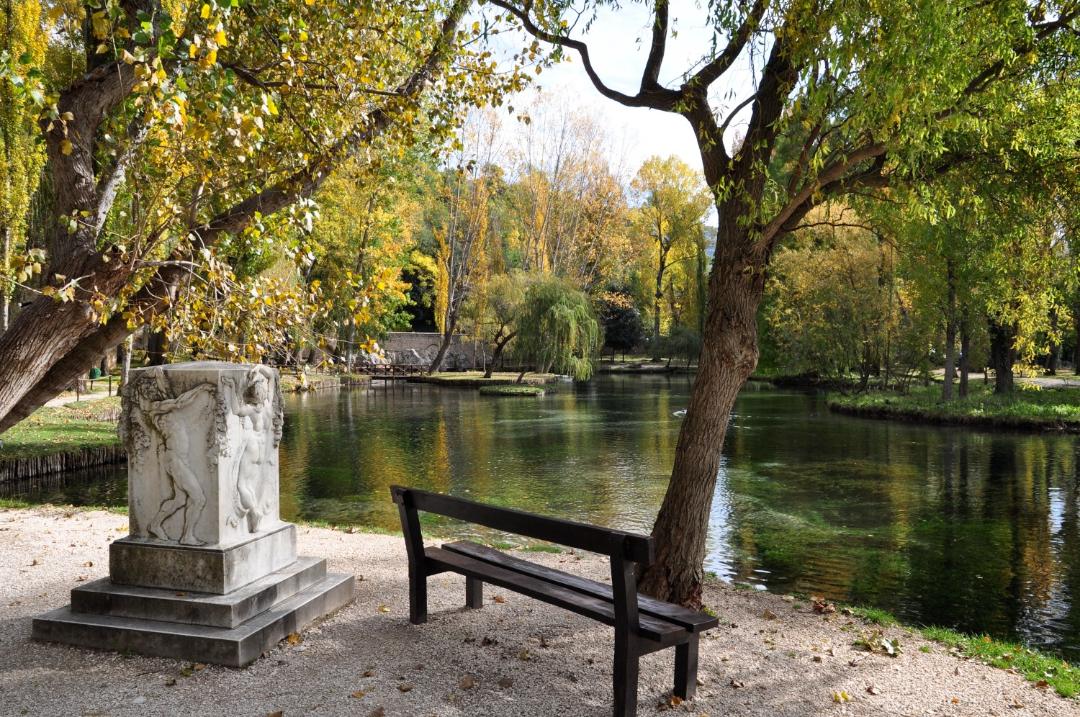
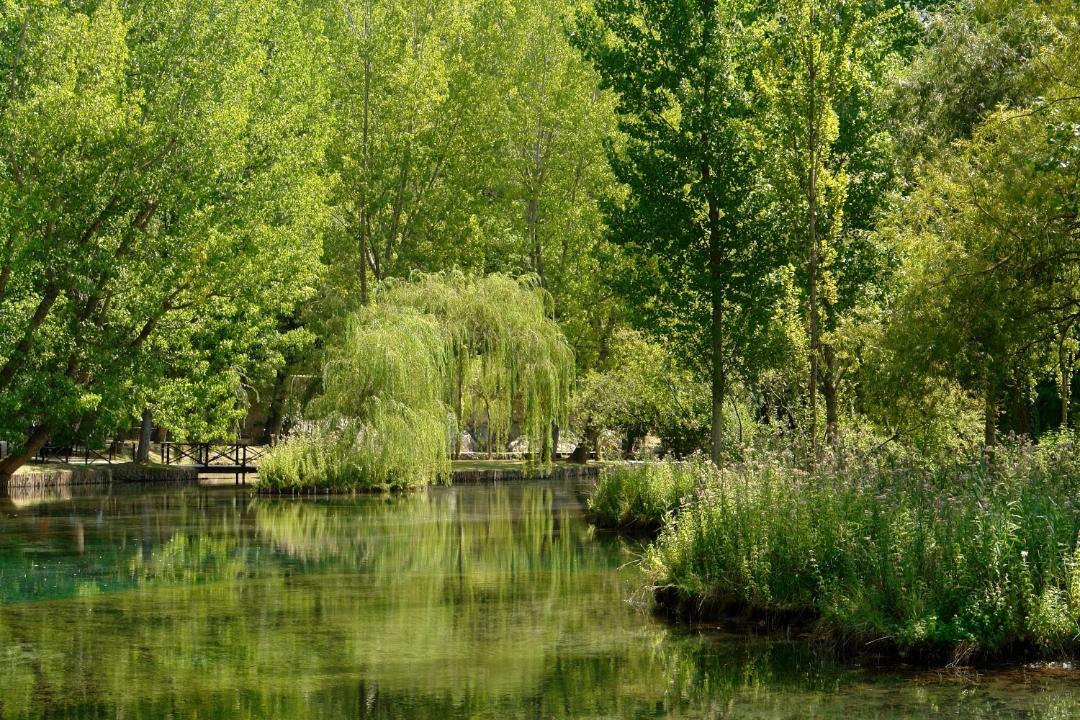
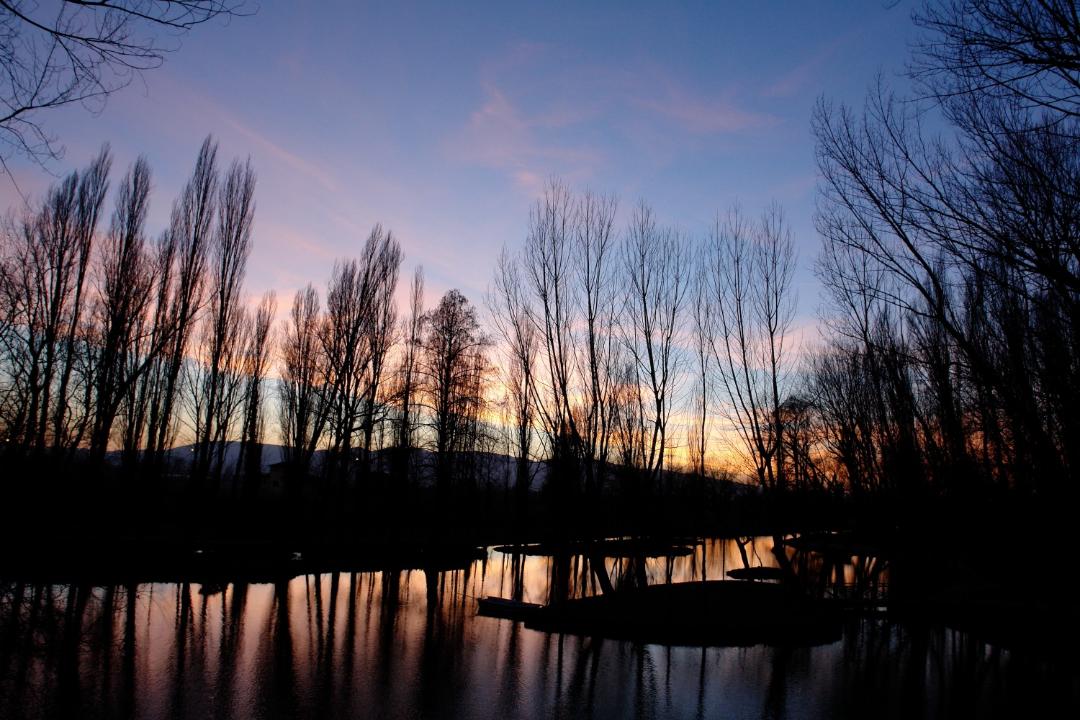
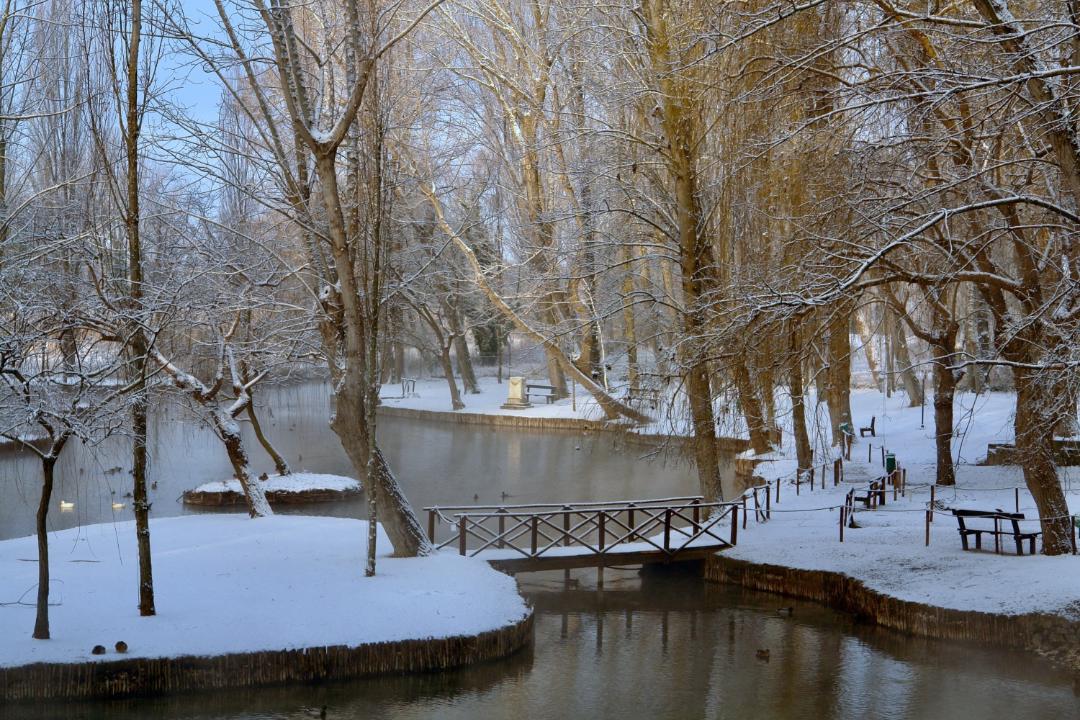
The river’s sources, now known as the Springs of the Clitunno, emerge in the territory of Campello sul Clitunno and represent one of the most enchanting natural corners of Umbria: an emerald-green pool surrounded by poplars, willows, and ash trees reflected in its crystal-clear waters, where nature, history, and myth have coexisted for millennia.
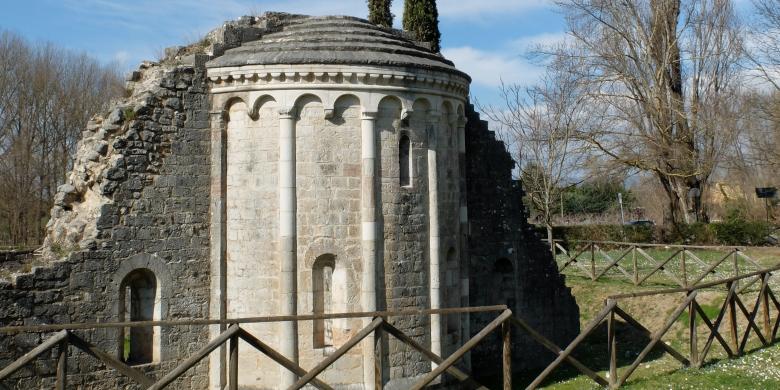
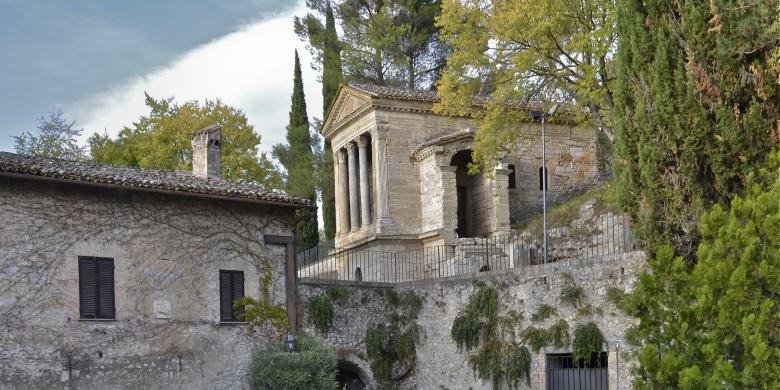
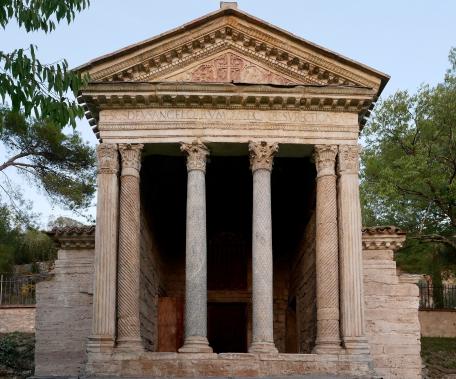
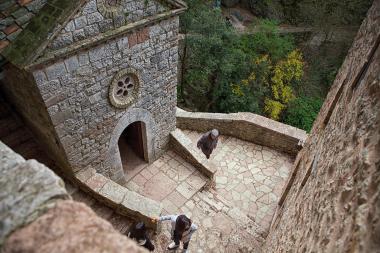
Even today, the Springs of the Clitunno are among the most important spring complexes in central Italy. The silent, suspended atmosphere is the same that fascinated poets and travelers of the past, who were also drawn to the nearby Temple of the Clitunno, a small architectural jewel. Although it is a Christian building of Lombard age modeled after a Corinthian temple, it was long believed to be the true Roman sanctuary of the god Clitumnus. Today the temple is part of the UNESCO site The Lombards in Italy. Places of Power (568–774 A.D.).
The Clitunno River and its springs in ancient times
During the Roman era, the Clitunno and its springs were regarded as a sacred place, guardian of very ancient rites. Here were raised the sacred white oxen of the Clitunno which, taken to Rome, were sacrificed during Triumphs; their pure white coats were believed to derive from the clarity of the waters.
A romantic legend recounts that it was precisely at the river’s source that the wedding between Janus and Camesena, the river nymph and muse of song, was celebrated — a union from which the Italic people were said to descend. The ancient name of Pissignano, Pissin-Ianum, “Janus’ pool”, seems to preserve an echo of this myth.
The springs were praised by Virgil in his Georgics and admired by Pliny the Younger, who, in one of his most poetic letters, lamented discovering such a wonder too late: the spring was so “pure and crystal clear that one could count the coins thrown to the bottom and the shining pebbles”. Its waters, cold as snow, were believed to conceal the mystery of the god dwelling within them.
In Pliny’s time, the springs were so abundant that they formed a great river which, joining the Tiber, was navigable all the way to Rome. Only in 440 A.D. did a violent earthquake radically transform the area, dispersing many of the spring channels.